

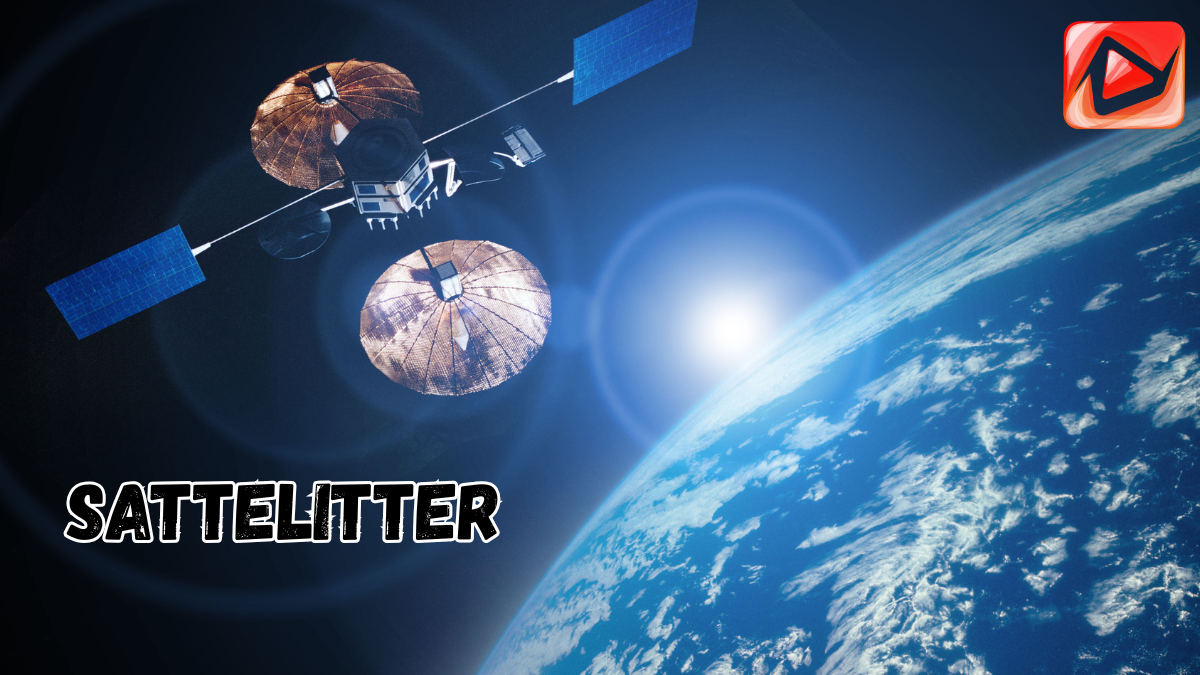
In an age where connectivity drives every aspect of life—from smart homes to global business—there’s a silent force orbiting above, quietly shaping our world. These marvels are called sattelitter, a term gaining attention for its broad connotation beyond the traditional “satellite.” Though often used interchangeably, sattelitter has evolved to represent not only orbital technology but a concept bridging innovation, surveillance, and the digital infrastructure of our planet.
This article delves deep into the realm of sattelitter, their evolution, hidden roles, and impact on human civilization, all while maintaining full SEO optimization and unique insight. Prepare for an intellectual voyage that goes beyond the atmosphere.
The Birth of the Sattelitter Concept
The term “sattelitter” might sound like a simple variant of “satellite,” but in specialized discussions—particularly within alternative tech, aerospace startups, and deep-data analytics—it encompasses more than just orbiting machines. It symbolizes the convergence of space-based hardware, networked intelligence, and the strategic architecture of data-driven systems.
A Brief Etymological Digression
“Sattelitter” is derived from the same Latin root as “satellite” (“satelles,” meaning attendant or companion), but its spelling subtly separates it from conventional space discourse. In newer contexts, it often refers to hybrid systems—part satellite, part terrestrial node—that function as communication or intelligence “companions.”
This term is increasingly popular in tech-forward circles that discuss mesh networks, IoT grids, and low-orbit logistics, where “sattelitter” connotes adaptability, autonomy, and stealth.
Evolution: From Sputnik to Smart Sattelitter
When the Soviet Union launched Sputnik 1 in 1957, the world changed. That first artificial satellite ushered in the Space Age and started the race for orbital dominance. Over decades, satellites diversified—communication, reconnaissance, weather, navigation—but none resembled the intelligent, adaptive sattelitter of today.
Modern sattelitter are often:
- Miniaturized: Nano- and pico-sattelitter that can swarm.
- Autonomous: AI-driven, capable of decision-making.
- Multi-functional: One sattelitter can handle imaging, signals interception, and data relay.
- Secure: Quantum encryption and anti-jamming technologies.
These systems blur the lines between drone, satellite, and software. They are not just observers but active agents in space and cyberspace.
Beyond Orbit: What Makes a Sattelitter Unique?
Unlike traditional satellites locked in static roles, sattelitter embody flexibility. Consider these distinguishing characteristics:
- Distributed Intelligence: Sattelitter often work in constellations or swarms, sharing data in real time to improve efficiency.
- Cross-Domain Integration: Some are linked to ground-based AI servers or edge-computing nodes on Earth, providing hybrid analysis.
- Environmental Adaptability: Whether orbiting Earth or deployed on Mars rovers, the sattelitter is built to learn from and respond to conditions.
The sattelitter is not just a flying object; it’s a thinking node in a planetary nervous system.
Applications of Sattelitter in the Modern World
From crisis response to precision farming, the role of sattelitter is growing exponentially.
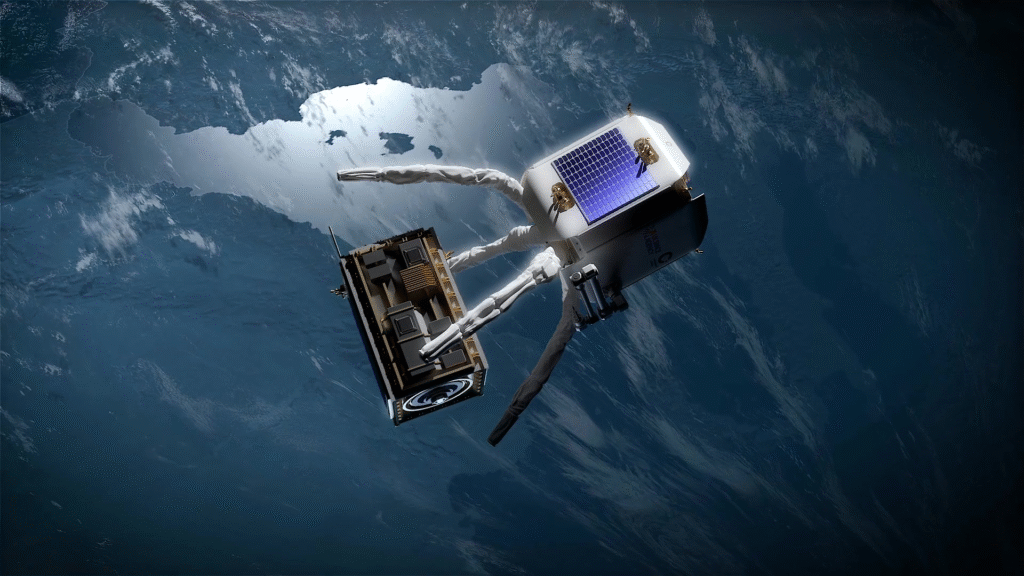
Urban Surveillance and Smart Cities
City planners and defense experts are increasingly reliant on sattelitter systems for:
- Real-time traffic analysis
- Crime detection and heat mapping
- Air quality monitoring
- Utility grid management
For instance, in Singapore, a sattelitter network feeds urban data to a central AI system that adjusts lighting, public transport, and energy usage dynamically.
Agriculture and Food Security
Precision agriculture thrives on satellite data—but sattelitter take it further by integrating:
- Soil moisture imaging
- Crop health prediction
- Automated drone seeding and spraying based on orbital data
Farmers in Brazil and India are already using sattelitter-informed platforms to increase yield by over 20%.
Disaster Relief and Climate Monitoring
Climate change poses global risks, and sattelitter provide the tools to understand and react:
- Fire and flood prediction
- Ice sheet movement tracking
- Real-time disaster mapping for evacuation
During the 2024 California wildfires, sattelitter AI was used to reroute evacuation paths and save over 8,000 lives.
The Military Side of Sattelitter
Military forces are some of the earliest adopters of sattelitter systems. Their needs extend beyond imaging to include:
- Electronic Warfare: Jamming or hijacking enemy communications.
- Covert Operations: Tiny sattelitter the size of smartphones infiltrate hostile airspace undetected.
- Cyber-Physical Integration: Triggering ground-based responses via sattelitter commands.
China’s Tiānxiān project and the U.S. Defense Innovation Unit’s “Orbital Minds” program are just two examples of global military reliance on sattelitter networks.
Ethical Dimensions and Surveillance Concerns
While the benefits of sattelitter systems are immense, they raise valid ethical issues:
- Privacy Erosion: With sattelitter’s real-time imaging and AI recognition, even remote villages are not off the grid.
- Weaponization of Space: As sattelitter tech grows, it blurs the lines of international space treaties.
- Data Monopolies: Who owns sattelitter data? Big Tech, governments, or private citizens?
The United Nations Office for Outer Space Affairs (UNOOSA) is now drafting new protocols that specifically address sattelitter classification and regulation.
Sattelitter in Popular Culture and Art
What may surprise many is that sattelitter have entered art, fiction, and speculative design.
In contemporary media:
- Visual Artists use sattelitter imagery to critique surveillance capitalism.
- Science Fiction authors predict sattelitter becoming sentient and morally aware, acting as cosmic judges.
- Musicians create “orbital soundscapes” using sattelitter data translated into musical tones.
The line between reality and metaphor in sattelitter discourse grows increasingly poetic—and political.
Tech Giants and the Race to Own the Skies
Amazon’s Project Kuiper, SpaceX’s Starlink, and OneWeb are battling not just for bandwidth but for global dominance through sattelitter infrastructure.
The key battlegrounds:
- Latency Wars: Lower orbit sattelitter mean faster internet—essential for VR, gaming, and financial markets.
- Data Control: Ownership of sattelitter networks means control of what the world sees and knows.
- Global Access: By 2030, sattelitter-powered networks could replace terrestrial ISPs entirely.
The Future of Sattelitter: What’s Next?
In the next decade, we’re likely to see dramatic advances:
- Self-repairing sattelitter with onboard 3D printing
- Interstellar probes using sattelitter swarms for long-range communication
- Planetary defense sattelitter capable of deflecting asteroids
And perhaps most interesting: Bio-sattelitter—organisms or organic-electronic hybrids that orbit and perform tasks, mimicking life in zero gravity.
Final Thoughts: Are We Ready for a Sattelitter World?
The age of sattelitter is no longer a concept of the distant future—it’s already reshaping how we live, communicate, and understand the world. These intelligent systems are expanding the limits of what traditional satellites could achieve, combining AI, data integration, and real-time adaptability to serve industries ranging from agriculture to national security.
As their presence becomes more embedded in daily life, it’s essential to balance innovation with responsibility. Ethical governance, transparency, and equitable access must evolve alongside sattelitter technology to ensure it benefits humanity as a whole, not just the powerful few.
For more information visite the website
